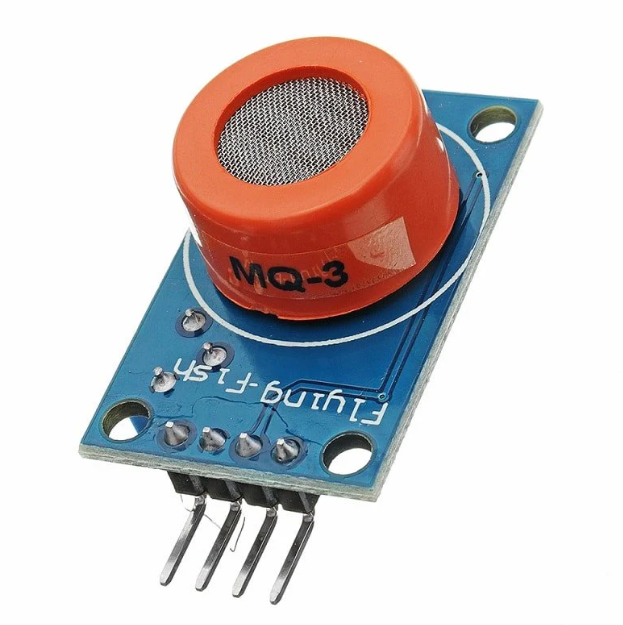
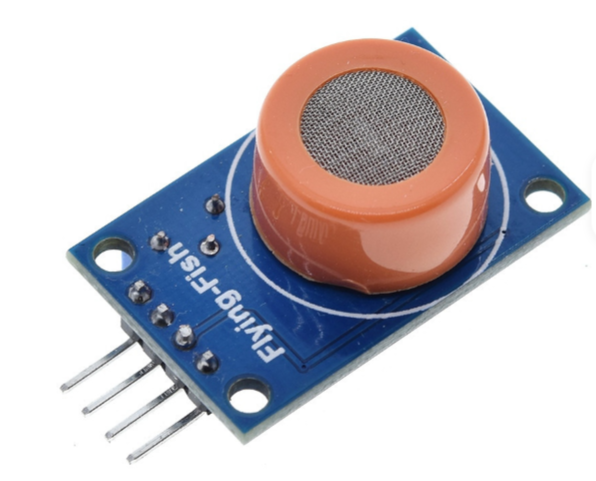
MQ-3 Alcohol Gas Sensor Module
= High-Sensitivity Alcohol Vapor Detector for Arduino Projects =
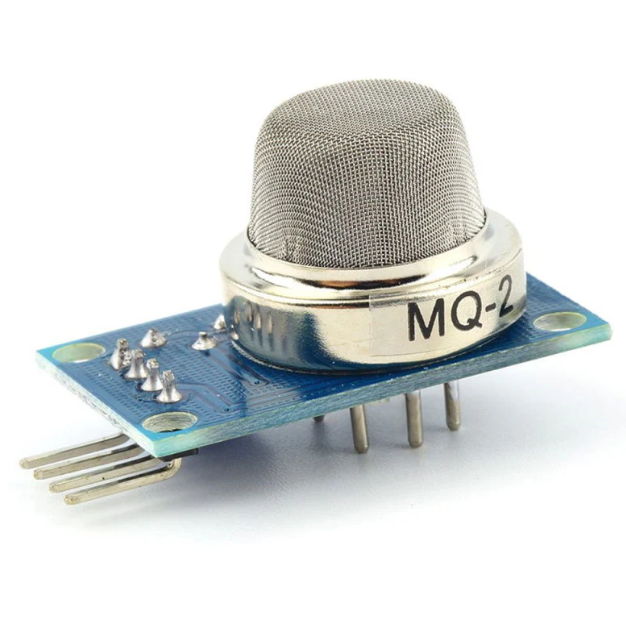
The MQ3 gas sensor module is a costeffective, semiconductor-based sensor designed to detect alcohol vapors in the air. It's the ideal component for building breathalyzers, car alcohol alarms, and portable gas detectors .
Reliable Alcohol Detection High sensitivity to alcohol with detection range of 25500 ppm and fast response time .
Dual Output Modes - Provides both analog (AO) and digital (DO) signals for flexible integration.
Operating voltage is 5V DC (module), 2.5V to 5.0V .
The sensor's analog output voltage increases with the concentration of alcohol vapor.
For Arduino projects, the sensor typically requires a 20second warmup period for stable readings .
This sensor is sensitive to alcohol vapor; it may require recalibration for the specific environment and may have small sensitivity to benzene .
= Technical Specifications =
| Parameter | Value |
|---|
| Target Gas | Alcohol, Ethanol |
| Detection Range | 0.05 10 mg/L or 25 500 ppm |
| Operating Voltage | 5V DC (module) |
| Heater Consumption | <900mW |
| Response Time | ≤10s (70% response) |
= Key Features =
+High Sensitivity and Selectivity - Excellent response to alcohol, with quick response and recovery time .
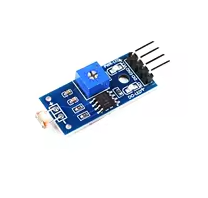
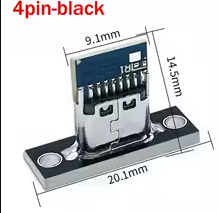
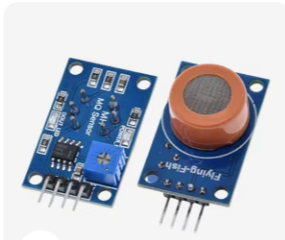
+Simple Interface Standard 4pin header (VCC, GND, DO, AO) for easy connection.
+Adjustable Sensitivity - Onboard potentiometer for setting the digital output threshold.
+Low Cost A budgetfriendly solution for alcohol detection projects.
== Applications ==
- Breathalyzer and personal alcohol detector projects .
- Car alcohol ignition interlock systems (for vehicle safety) .
- Portable gas detectors and safety devices .
- DIY electronics and IoT projects requiring vapor detection.
Versatile Safety Component - Widely used with Arduino for breathalyzer and safety systems .
Easy Arduino Integration - Simple analog output reading via an analog pin .
√ Includes mounting holes for secure installation.
√ Compatible with Arduino, ESP32, and Raspberry Pi.
√ Provides both analog and digital output options.
= Troubleshooting =
Slow response or inaccurate readings:
- Ensure a sufficient warm-up period (20 seconds to 48 hours for calibration) .
- Adjust the sensitivity potentiometer.
No output:
- Check the 5V power supply.
- Verify the wiring connections.