10k Ohm Resistor
= Versatile Through-Hole Component for General Electronics Use =
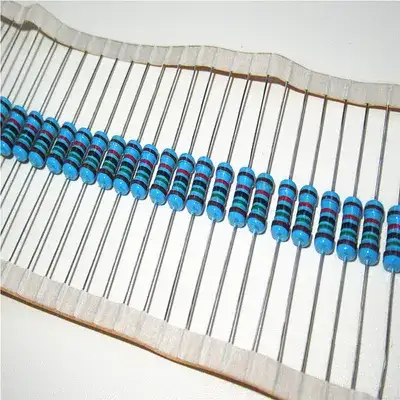
The 10k Ohm resistor is a standard and commonly used component in electronics, ideal for a wide range of circuits. It is often found in applications like pullup/pulldown networks, voltage dividers, and current limiting. Available in several power ratings and tolerances, the through-hole version is frequently used with solderless breadboards, making it a staple in prototyping and educational projects .
Standard Value for Pullup and Voltage Dividers One of the most frequently used resistors in digital and analog circuits
Wide Availability - Comes in 1/4W, 1/2W, and higher power ratings
The most common version is a 1/4W (0.25 Watt) through-hole resistor with a ±5% tolerance. This is the standard for breadboard prototyping .
For precise circuits, choose a ±1% tolerance metal film resistor .
= Technical Specifications (Typical 1/4W 5% Model) =
| Parameter | Value |
|---|
| Resistance | 10,000 Ohms (10kΩ) |
| Tolerance | ±5% (common) or ±1% |
| Power Rating | 1/4W (0.25W) |
| Package Type | Through-Hole (Axial) |
| Lead Diameter | 0.4 - 0.6mm |
Key Features
+Universal Component - Used extensively in logic circuits, sensors, and many microcontroller projects.
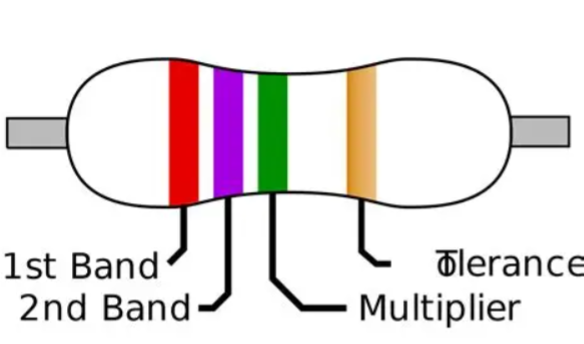
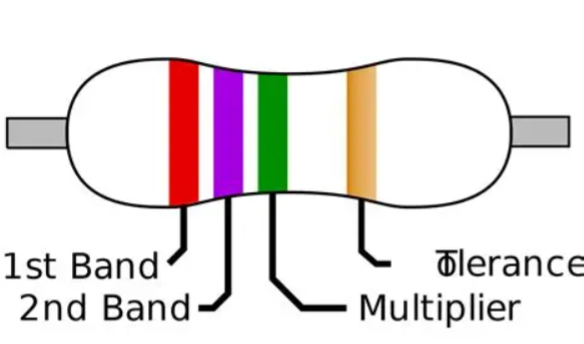
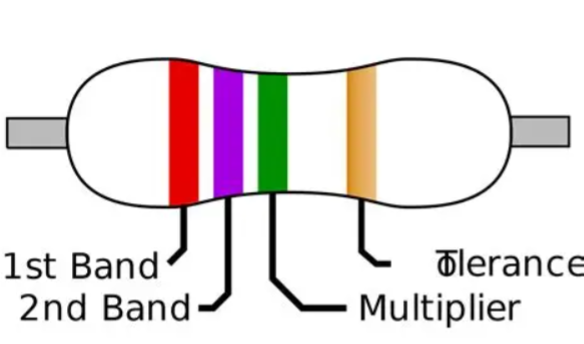
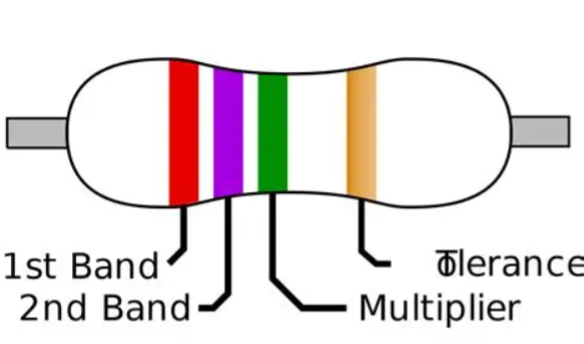
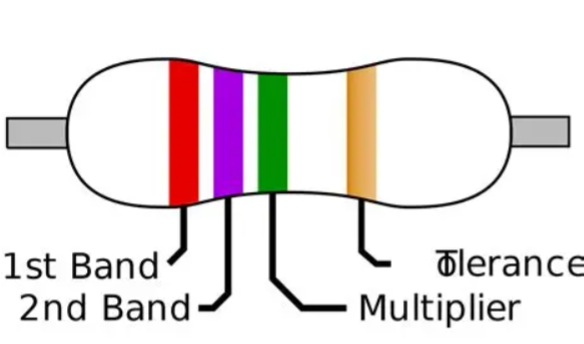
+Color Code: BrownBlackOrange - Easily identified by its characteristic color bands. The gold band indicates ±5% tolerance .
Applications
- Pullup and pulldown resistors for microcontroller inputs (e.g., I2C bus, button debouncing) .
- Voltage divider networks for sensor and signal conditioning.
- Current limiting for LEDs and other low-power components.
Versatile and Essential - A fundamental component for nearly every electronics project.
Beginner Friendly - Perfect for learning about circuits and prototyping.
√ Available in bulk packs for prototyping.
√ Fits easily into standard breadboards and perfboards.