Raspberry Pi Zero Single-Board Computer
= Ultra-Compact Linux Computer for IoT and Embedded Projects =
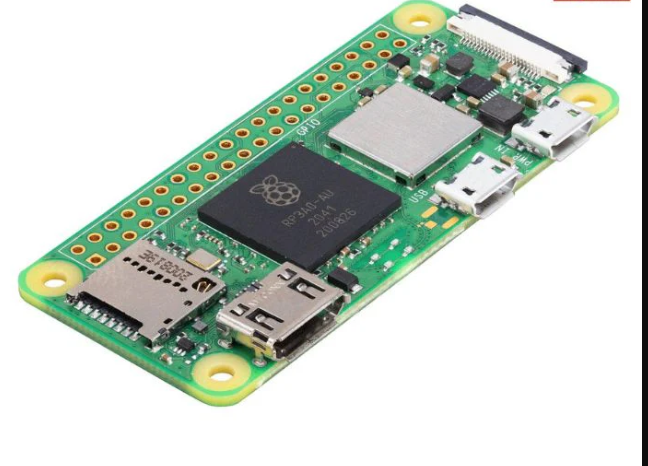
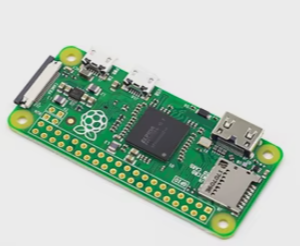
The Raspberry Pi Zero is an ultracompact, lowcost single-board computer designed for projects where space is limited, such as drones, robots, and handheld devices . Its miniature footprint, approximately the size of a stick of gum, makes it ideal for embedded applications .
UltraCompact Design Fits into space-constrained projects
Runs Full Operating System Supports Raspberry Pi OS and Linuxbased applications
Requires a microSD card with Raspberry Pi OS installed, 5V micro USB power supply, and mini HDMI cable for display
Uses a micro USB OTG port for connecting peripherals like keyboards and mouse
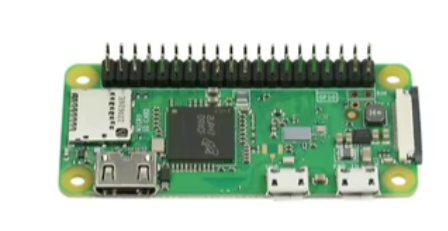
The 40-pin GPIO header is unpopulated and typically requires soldering for use
= Technical Specifications =
| Parameter | Value |
|---|
| Processor | 1GHz single-core ARM11 (BCM2835) |
| Memory | 512MB RAM |
| Connectivity | No builtin wireless (Zero W adds 2.4GHz WiFi & Bluetooth) |
| Video Output | Mini HDMI port (1080p support) |
| USB Ports | 1x micro USB OTG + 1x micro USB power |
| GPIO | 40pin HATcompatible header (unpopulated) |
| Camera | CSI-2 connector (v1.3 models) |
| Dimensions | 65mm x 30mm |
| Weight | 9g |
= Key Features =
Fully Functional Linux Computer - Can run a full operating system and applications
Power Efficient As low as 100mW, suitable for batterypowered remote projects
Wide Compatibility - Works with the same HATs as larger Raspberry Pi models
== Applications ==
- Small robots and drones
- Handheld gaming consoles
- Remote wildlife cameras and weather stations
- IoT and smart home devices
- Network ad blockers and VPNs
Ideal for Headless Projects Commonly used without a monitor via SSH over WiFi on wireless models
Popular and Affordable One of the most costeffective full Linux computers available
√ Runs standard Raspberry Pi OS and Linux-based tools
√ Drop-in compatible with many existing accessories
√ Small size enables projects not possible with larger boards
= Troubleshooting =
No video output:
- Ensure microSD card has properly installed Raspberry Pi OS
- Use a mini HDMI to HDMI adapter or cable
Board not booting:
- Check the microSD card is properly inserted and has a valid OS image
- Verify power supply provides 5V and adequate current
Wi-Fi not available (Zero W model):
- Ensure country code is set in Raspberry Pi OS configuration
- Confirm using 2.4GHz network (not 5GHz)