1 / 3
NodeMCU V1 ESP8266 Development Board – KSH 1,000 at HIMA TRONICS Mombasa – Top quality microcontrollers. Best electronics in Kenya. Shop now for Arduino, ESP32, sensors and IoT devices.
NodeMCU V1 ESP8266 Development Board – KSH 1,000 at HIMA TRONICS Mombasa – Top quality microcontrollers. Best electronics in Kenya. Shop now for Arduino, ESP32, sensors and IoT devices. - View 2
NodeMCU V1 ESP8266 Development Board – KSH 1,000 at HIMA TRONICS Mombasa – Top quality microcontrollers. Best electronics in Kenya. Shop now for Arduino, ESP32, sensors and IoT devices. - View 3

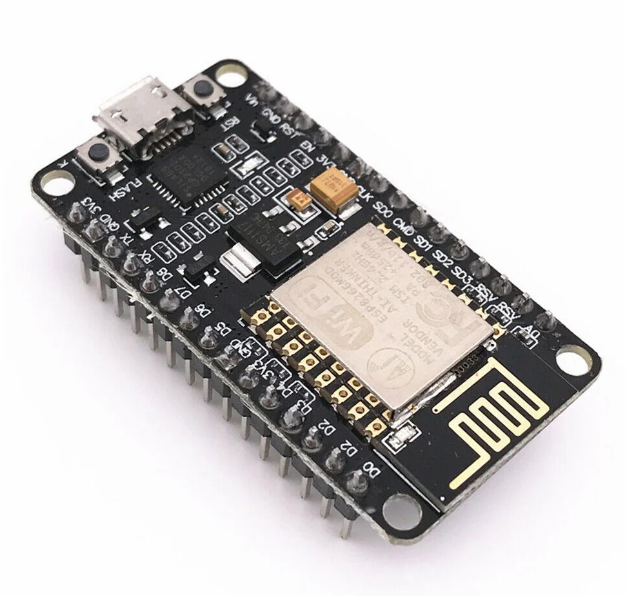
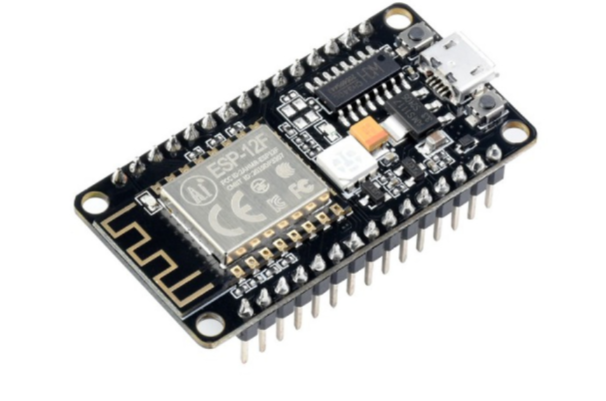
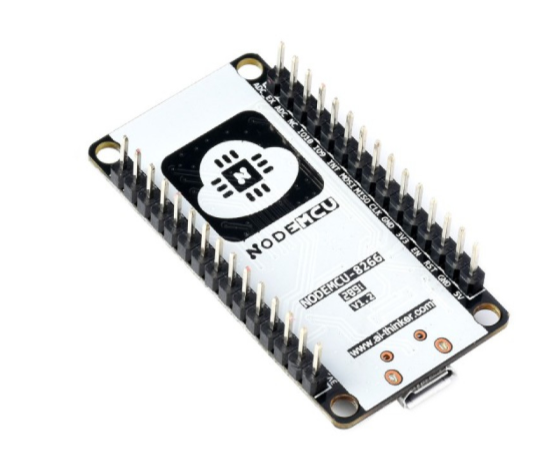
NodeMCU V1 ESP8266 Development Board

SKU: HMJ032 Category: Microcontrollers
KSH 1,000.00
In Stock
Inquire
Product Description

NodeMCU V1 ESP8266 Development Board

= BreadboardFriendly WiFi IoT Module for Arduino and Lua =

The NodeMCU V1 is a popular, lowcost development board based on the ESP8266 WiFi SoC, designed for fast and flexible IoT prototyping . It features an onboard USBtoserial converter and a breadboard-friendly layout .

ESP8266 WiFi SoC 80/160MHz 32bit RISC CPU with integrated 2.4GHz WiFi
BreadboardFriendly Design DIP-style pins with Micro USB port for easy programming and power
Input voltage via Micro USB is 5V. Operating voltage is 3.3V, regulated onboard
In Arduino IDE, select the NodeMCU 1.0 (ESP-12E Module) board after installing the ESP8266 core
I/O pins are NOT 5V tolerant - applying 5V to GPIO will damage the board

= Technical Specifications =

ParameterValue
Wi-Fi SoCESP8266 (ESP-12E module)
CPU CoreTensilica Xtensa LX106
Clock Speed80MHz (configurable to 160MHz)
Flash Memory4MB
SRAM~64KB available
Operating Voltage3.3V
Digital I/O Pins11 usable GPIO (varies)
Analog Input Pins1 (10bit ADC, 03.3V)
USBtoSerial ChipCH340G or CP2102
USB ConnectorMicro-USB

= Key Features =

Integrated WiFi 802.11 b/g/n Works in STA, AP, and STAAP modes for versatile IoT applications

+Onboard CH340G USBtoSerial - Direct USB programming and power, no external programmer needed

OpenSource Firmware Supports Lua, Arduino C+, and MicroPython

+Multiple Peripherals UART, SPI, I2C, PWM, and OneWire on available GPIO pins

+Reset and Flash Buttons - Onboard buttons for easy mode selection and reset

== Applications ==

  1. Smart home automation and IoT sensors
  2. Wi-Fi remote control and monitoring devices
  3. Home automation projects and web servers
  4. Educational electronics and prototyping
Most Popular ESP8266 Board Industrystandard board with massive community support
Huge Ecosystem - Thousands of libraries, examples, and compatible projects available

√ Micro USB port for programming and power, no soldering required

√ Plenty of GPIO broken out for adding sensors and actuators

√ Supports Arduino IDE, ESP-IDF, NodeMCU Lua, and MicroPython